
Sending fifty applications on the same national platform without any response, we all know this scenario. In Brittany, the economic fabric relies on well-identified employment areas (Rennes, Brest, Lorient, Saint-Brieuc) and specific sectors. Adapting one’s method to the local terrain changes the speed at which one secures a position. Here are seven concrete levers, tested in the Breton market.
1. Limit your sources to five platforms with geolocated alerts
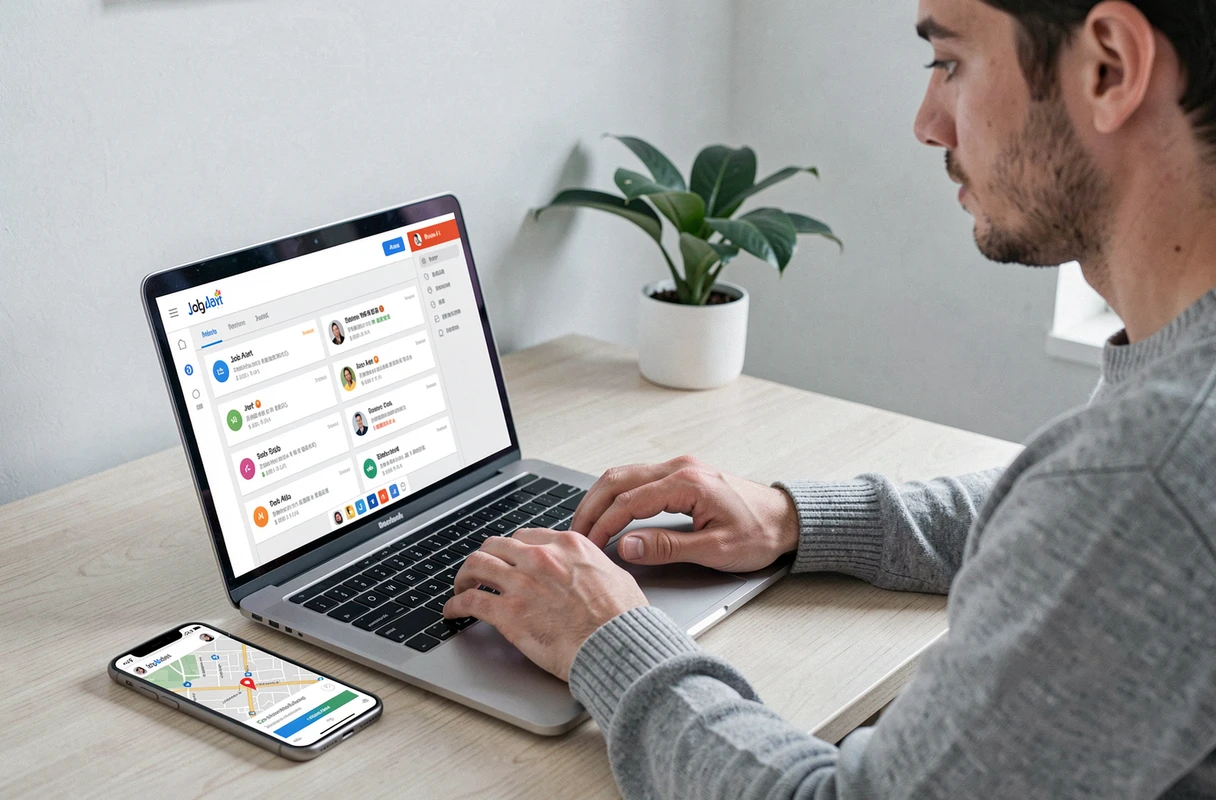
Using multiple job boards gives the illusion of action. In practice, three to five regularly monitored sources yield better results than a random selection of ten. Choose one national generalist, a regional site like Ouest-France Emploi, and two or three sector-specific platforms related to your profession.
On each, set up a geolocated alert for Brittany or a specific area (Rennes region, Brest area). The daily email alert allows you to apply in the first hours of publication, when competition is low.
Consulting the resources of Web de Bretagne helps identify sectors that are hiring locally and direct your alerts towards the right sector-specific keywords.
2. Maintain a tracking table for applications

A simple spreadsheet (or a tool like Notion, Trello) with four columns is sufficient: company, date sent, channel used, planned follow-up date. This systematic tracking avoids duplicates and prompts timely follow-ups, usually seven to ten days after sending.
Also note negative responses and their reasons when communicated. Within a few weeks, trends emerge: a job title that generates more responses, a channel that performs better than another. This feedback allows for strategy adjustments without waiting months.
3. Optimize your LinkedIn profile for Breton recruiters

Most candidates fill in their job title without mentioning the geographic area. A recruiter based in Rennes searching for a data developer types “data developer Rennes” or “data developer Brittany” in the LinkedIn search bar.
Adding the target location to the profile title (not just in the “location” field) increases visibility to local recruiters. Complement this with sector-specific keywords in the summary and job descriptions. Feedback varies on this point depending on the professions, but for tertiary and tech roles, the effect on the number of inquiries is notable.
4. Contact recruitment agencies based in Brittany
Large platforms capture some job offers, but many Breton SMEs go through regional agencies for their permanent recruitment. These agencies know the companies, their constraints, and the local management culture.
Identify three or four agencies specialized in your sector (agri-food, services, digital) and send them a CV accompanied by a short message specifying the desired position, geographical mobility, and availability. A well-targeted agency is worth ten unsolicited applications sent into the void.
5. Activate the local network rather than the generic network
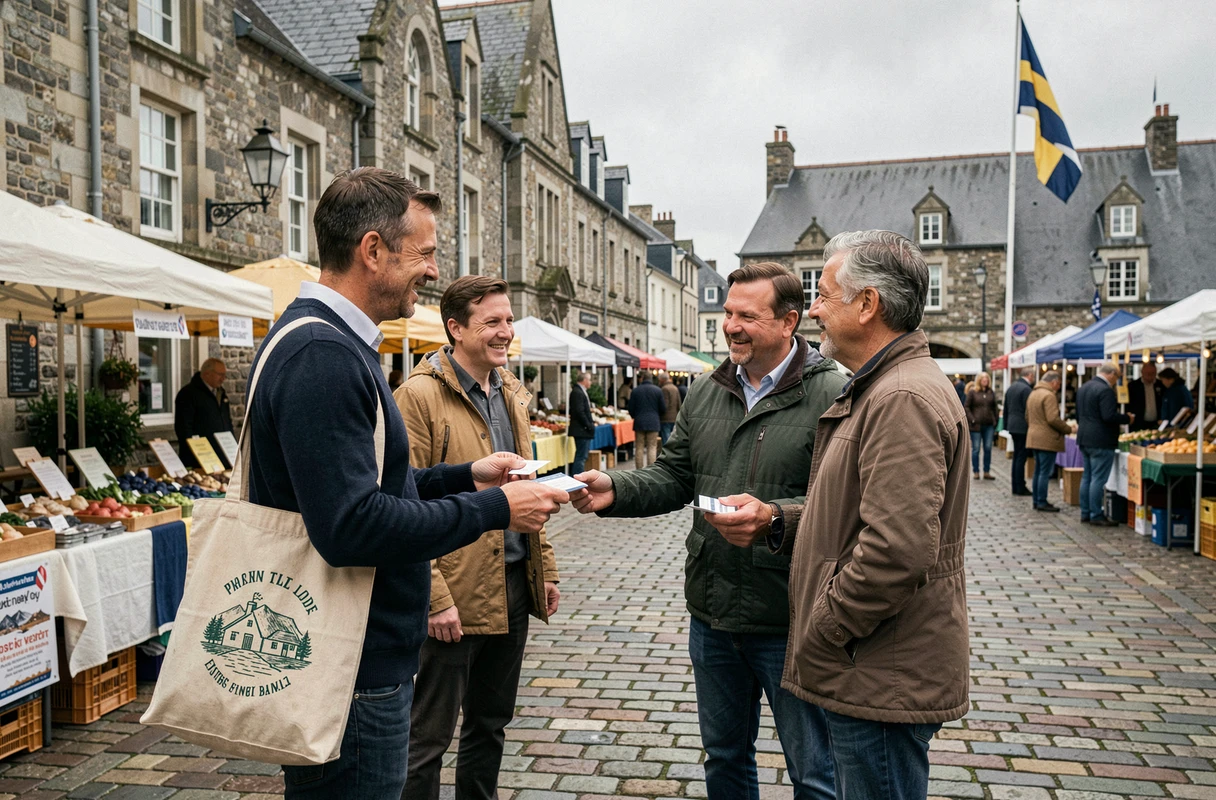
In Brittany, professional networks often operate through personal connections. Attending a sector-specific trade show in Rennes, an afterwork organized by a business association in Vannes, or a tech meetup in Brest creates more qualified contacts than a cold LinkedIn connection campaign.
Three concrete actions to activate this lever:
- Identify regional professional events in your sector (CCI, clusters, industry associations) and attend at least one per month
- Inform your personal and professional circle that you are actively looking, specifying the type of position and the target area
- Join Facebook or LinkedIn groups dedicated to employment in Brittany, where unpublished job offers circulate
6. Tailor each application to the vocabulary of the job offer

Sending the same CV and cover letter to all offers remains the most common mistake. The sorting software used by companies and recruitment agencies scans for keywords. If the offer mentions “project management” and the CV states “mission management,” the filter may reject the application.
Using the exact terms from the job posting in the CV and cover letter takes five minutes per application. Adjust the job title, listed skills, and sector vocabulary. This personalization increases the chances of passing the first filter, which conditions everything else.
7. Follow up methodically after each interview

After an interview, most candidates passively wait for a response. Sending a thank you email within 24 hours reminds the recruiter of the strengths of the exchange and shows genuine interest in the position.
This email should not exceed five lines: a thank you, a reminder of a topic discussed during the interview, and a confirmation of availability. If no response comes after the announced timeframe, follow up once by email or phone, without being pushy.
The follow-up is not harassment. It signals to the recruiter that the position remains a priority, which makes a difference when two profiles are neck and neck.
Job searching in Brittany becomes more effective when you reduce the number of channels to better exploit them, structure your follow-up, and focus on local networks. The Breton market values proximity and knowledge of the local terrain, two assets that national platforms alone cannot offer.