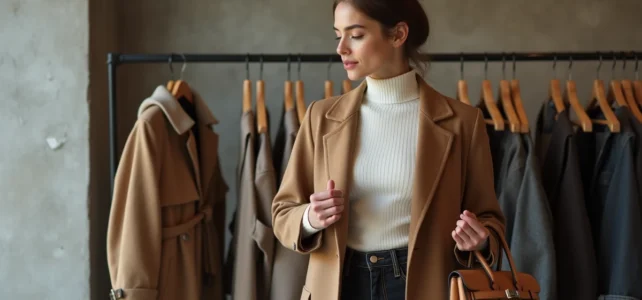
When you open three shopping apps at the same time and find the same pieces highlighted everywhere, the question arises. Fashion trends for the season are plentiful, but their dissemination is becoming increasingly concentrated. Sorting out what truly deserves a place in your wardrobe requires a concrete eye on the cuts, materials, and colors that work in everyday life.
Algorithms and shopping selection: how recommendations guide our purchases
On major fashion e-commerce platforms in Europe, more than half of sales are concentrated on less than one-fifth of the references. This is the combined result of automated recommendations and sponsored highlights.
This means that the pieces we are offered first are not necessarily the most suited to our style. They are often the most profitable for the platform. We end up buying the same oversized jacket as everyone else, not by choice, but by repeated exposure.
To circumvent this bias, one can explore the shopping selection on FashionUp, which groups pieces sorted by real trend rather than by advertising bid. The idea is not to flee online shopping, but to diversify sources so as not to dress your algorithm rather than yourself.
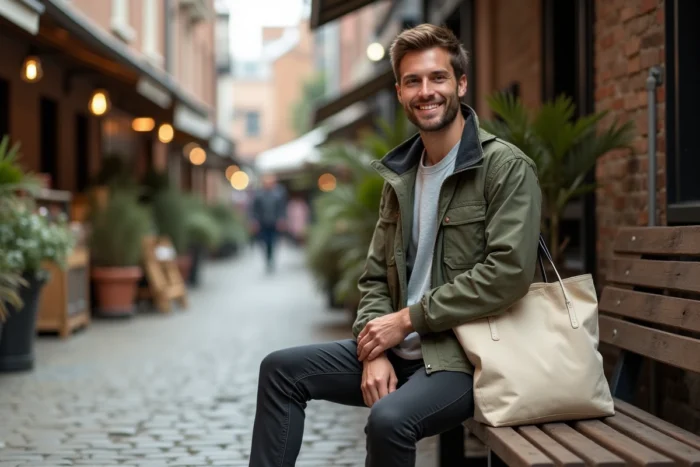
Spring-summer trend colors: those that pass the wardrobe test
Runways offer an extensive palette each season. We note three directions that work concretely, as they combine with each other and with existing basics.
Butter yellow, soft yet visible
This pale yellow, halfway between cream and lemon, has made its mark on the spring-summer 2026 runways. Its practical advantage: it replaces off-white in most outfits without requiring more maintenance. A pair of beige pants, a butter yellow top, and flat shoes are enough to create a bright look effortlessly.
Neons as accents, not total looks
The return of neon colors is part of the Y2K wave that continues to influence collections. We’re talking about accents: a bag, a pair of shoes, a piece of jewelry. Wearing neon as a total look remains a style exercise reserved for bold streetwear. For everyday wear, a fluorescent accessory on a neutral outfit provides the right dosage.
Earthy tones as a common thread
Beige, brown, and terracotta remain safe bets. They serve as a binding element between bolder pieces. A well-cut beige pant lasts the entire season without an expiration date.
Fashion pieces to keep and pieces to try this summer
Rather than listing twenty garments, we distinguish what deserves a sustainable investment from what falls under low-budget experimentation.
- The barrel jean is gradually replacing the classic straight jean in wardrobes. Its mid-calf flared cut works with both sneakers and flat sandals.
- Lace is making a strong comeback, but not just on formal dresses. It can be found on tops worn during the day, layered over a simple tank top.
- Maximalist brooches, highlighted by Pinterest Predicts 2026 as a rapidly rising micro-trend in searches, allow for personalizing a jacket or blazer without having to buy a whole new piece.
- The oversized sweater remains a mid-season basic. Opinions vary on this point, but it appears to work better in fine knit for spring than in thick wool, contrary to what some lookbooks suggest.
Greenwashing and sustainable fashion: what European regulations impose on brands
Since 2023-2024, European regulations on greenwashing require brands and shopping selection sites to precisely document their claims of sustainable fashion. Traceability of materials, proof of claimed environmental benefits: one can no longer write “eco-responsible” on a label without justification.
For us, on the shopping side, this changes the reading grid. When a brand claims “organic cotton,” we can check if it provides a certificate or if it’s just a statement. Serious platforms are starting to integrate this information directly into product sheets.
A well-documented sustainable garment often costs more upfront but justifies itself over time. It’s better to have a pair of pants with complete traceability worn for three seasons than a “green” pair at a bargain price that pills after the second wash.
Building your spring-summer outfit without starting from scratch
You don’t need to renew half your wardrobe to follow the fashion trends of the season. The effective method is to identify two or three new pieces that integrate with what you already own.
- Check the dominant colors of your current wardrobe before buying: if you have a lot of black and navy, a butter yellow or terracotta piece creates immediate contrast.
- Test a micro-trend through accessories (brooches, jewelry, shoes) before investing in a complete garment.
- Prioritize cuts that work with multiple styles: the barrel jean, for example, can transition from casual to semi-formal depending on the shoes and top.
The classic shopping trap of the season is buying five trendy pieces that go with nothing you have. Starting from your existing wardrobe and filling in the gaps remains the only strategy that avoids ghost garments at the back of the closet.
This summer’s fashion trends oscillate between very targeted micro-trends and reimagined basics. Lace, brooches, butter yellow: each piece has its context of use. The shopping selection filter that lasts is the one built from what you already wear, not from an algorithmic showcase.