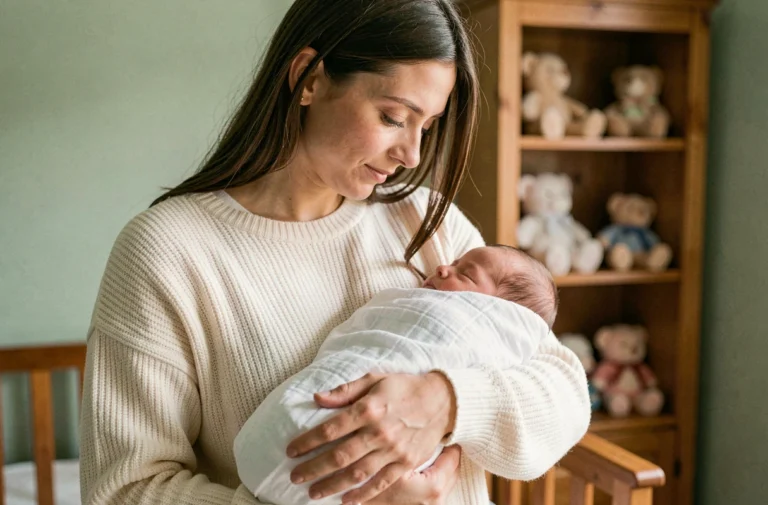
Maternal well-being is increasingly prominent in public health policies in France. Santé publique France now includes the perinatal period in its priority surveillance areas, as part of the National Cause 2025 dedicated to mental health. This evolution changes the way resources intended for mothers are conceived, produced, and disseminated online.
Postpartum disorders beyond depression: what wellness content ignores
Most platforms aimed at mothers address postpartum from the perspective of fatigue, baby blues, or depression. These three angles only cover part of the spectrum of psychological disorders that follow childbirth.
National Geographic France published an article in September 2026 documenting lesser-known forms: post-traumatic stress related to a difficult birth, with manifestations such as recurring nightmares, flashbacks, avoidance of care, or panic attacks. These signs do not correspond to the classic picture of postpartum depression and often go unnoticed in popular content.
This gap poses a concrete problem. A mother searching for “wellness tips for moms” or “zen mom” encounters recommendations for meditation, evening rituals, or sleep management. If she is suffering from post-traumatic stress, these approaches do not replace appropriate clinical identification. Online content would benefit from more systematically directing towards professionals trained in perinatal psychotrauma.
Among the recent articles on Maman Zen, there are resources that approach parenting from various angles, from meditation to recovery strategies. The question remains whether these formats gradually incorporate this distinction between ordinary fatigue and clinical distress.
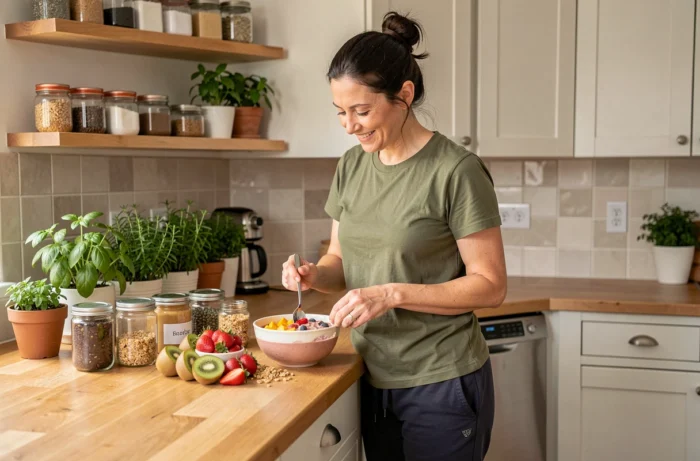
Postnatal home care: a right still underutilized by mothers
Postnatal follow-up by a midwife at home is covered by health insurance from the time of discharge from the maternity ward, with a section explicitly dedicated to identifying psychological difficulties.
Field feedback varies on this point: many mothers report not being informed of this possibility or discovering it too late. Postnatal home care is still perceived as a luxury or a process reserved for complicated situations, whereas it is intended for all women after childbirth.
What this follow-up concretely covers
- A physical examination of the mother (healing, pain, signs of infection) and an evaluation of emotional state in the first days
- Support for breastfeeding or weaning, with personalized adjustments based on encountered difficulties
- Early identification of signs of depression or post-traumatic stress, with referral to a doctor or psychologist if necessary
Early identification at home reduces the time between the onset of symptoms and care. This is a lever that wellness advice platforms could promote more, rather than limiting themselves to stress self-management techniques.
Additional birth leave: what changes for families
A new additional birth leave came into effect on July 1, 2026. This measure adds to existing leaves (maternity, paternity) and aims to extend the period of parental presence around the arrival of a child.
For employers, several points of vigilance have been identified, particularly regarding the application process and eligibility conditions. The Village de la Justice published an analysis detailing the main practical aspects of the measure for HR services.
This leave changes the organization of the first weeks after birth, a period when mental load and fatigue peak. The available data do not yet allow for measuring its real impact on maternal well-being.

Maternal well-being online: the limits of current formats
Wellness content for moms follows recurring patterns: lists of tips, guided meditations, multi-week challenges, evening rituals. These formats respond to a real demand from mothers seeking quick and accessible solutions from their phones.
Their limitation lies in providing a one-size-fits-all response to very different situations. A mother experiencing parental burnout, a mother going through perinatal grief, and a mother simply tired from interrupted nights do not have the same needs. Grouping them under the label “zen mom” oversimplifies.
Criteria for evaluating the reliability of wellness content
- The clear distinction between comfort advice (relaxation, organization) and signs requiring medical consultation
- The mention of identifiable sources: recommendations from HAS, publications from Santé publique France, named clinical studies
- The absence of promises of results (“become zen in 7 days”) in favor of nuanced formulations about observed benefits
- The presence of referrals to perinatal mental health professionals, not just to coaches or paid programs
Useful content informs and directs; it does not replace a diagnosis. The National Cause 2025 on mental health has highlighted the gap between the massive demand for online resources and the highly variable quality of what is offered.
Platforms that manage to articulate accessibility of format and rigor of information are positioning themselves in a niche that is still under-occupied. The challenge for the coming months will be to maintain this requirement in the face of the pressure of content volume and algorithms that favor catchy titles.