
The XMAX 125 shows a real maximum speed between 110 and 118 km/h on GPS, according to independent measurements conducted on Euro 5 versions. The speedometer may indicate more, but the GPS data remains the only reliable reference for evaluating road performance.
Difference between speedometer and GPS on the XMAX 125: quantifying the drift
The speedometers of 125 scooters systematically overestimate the actual speed. On the XMAX 125, this discrepancy generally ranges from 5 to 10% based on consolidated feedback from specialized forums like Planète XMAX.
A speedometer reading of 120 km/h corresponds to a GPS speed of around 108-114 km/h. We observe that this margin varies depending on tire wear, the actual diameter of the rear wheel, and tire pressure. Under-inflated tires reduce the rolling diameter, further exaggerating the optimism of the speedometer.
The only way to know your actual speed is to use a dedicated GPS or a smartphone app with a GPS antenna. Any discussion about the maximum speed of the XMAX 125 based solely on the speedometer starts from a distorted data point. The technical sheet for the maximum speed of the XMAX 125 precisely details this gap between manufacturer promises and real-world measurements.
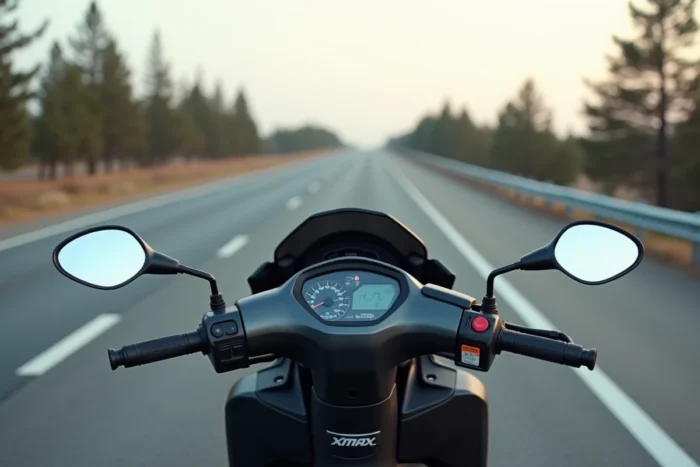
12 hp engine of the XMAX 125 versus Forza 125: what the bench says
The single-cylinder engine of the XMAX 125 develops 12 hp. In comparison, the Honda Forza 125 claims 15 hp, which is 25% more power. On the test bench, this difference translates into a maximum speed measured: about 110 km/h for the XMAX compared to 115 km/h for the Forza.
These 5 km/h of difference may seem trivial on paper. In practice, it is mainly the ability to accelerate between 80 and 110 km/h that distinguishes the two scooters. The Forza reaches its top speed more quickly and maintains its cruising speed with less engine strain.
CVT transmission and operating range
The continuously variable transmission of the XMAX 125 is calibrated to prioritize comfort in the city and on departmental roads. The variator only sends the engine to its high revs beyond 90 km/h, which generates a more pronounced noise level and increased consumption.
Riding continuously at full throttle (wide open on a fast lane) places the engine in an operating zone that Yamaha has not optimized for endurance. The engine speed then approaches the red zone, which accelerates the wear of the drive belt and variator rollers.
Realistic cruising speed of the XMAX 125 on a fast lane
The maximum speed is not the cruising speed. The XMAX 125 comfortably maintains 100 to 110 km/h GPS on a sustained journey, provided you do not ride with the throttle wide open all the time.
Several factors reduce this cruising speed in real conditions:
- The weight of the rider and any passenger: beyond 80 kg of payload, the top speed drops significantly, sometimes by 5 to 8 km/h GPS
- Headwind: on an exposed fast lane, a strong headwind can reduce stabilized speed by 10 km/h without changing the throttle position
- Altitude and temperature: warm and thin air (summer, elevation) reduces the filling of the single-cylinder and thus its available power
- The condition of the belt and rollers: worn rollers alter the effective transmission ratio and limit the maximum achievable revs
On a mixed commute (urban then fast lane), we recommend aiming for 90-100 km/h GPS as a cruising speed. The engine remains within a reasonable operating range, fuel consumption stays contained, and there is still a safety margin compared to faster vehicles.
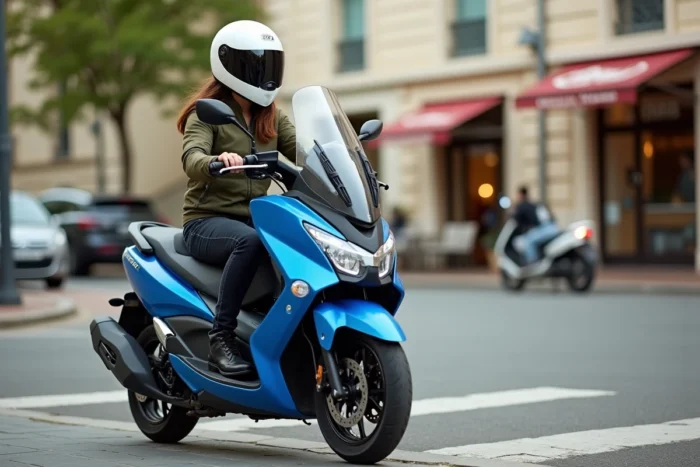
XMAX 125 on the highway: legal framework and mechanical limits
In France, 125 cc scooters are allowed on highways provided they can reach 80 km/h. The XMAX 125 meets this criterion without difficulty. The question is more about the relevance of the exercise.
Riding on the highway with an XMAX 125 means operating at maximum speed or very close to it, constantly. The engine runs at high revs, the margin for overtaking or accelerating in case of emergency is almost non-existent. Heavy vehicles travel at 90 km/h, cars at 130 km/h: the XMAX 125 finds itself in an uncomfortable speed corridor.
Increased maintenance after prolonged fast lane use
Regular high-speed use requires a tighter maintenance schedule. The variator belt, normally checked every 20,000 km or so on mixed use, deserves more frequent inspection in the case of sustained journeys on fast lanes. The variator rollers wear out faster, and the air filter becomes more loaded at high revs.
The XMAX 125 remains an urban and suburban GT scooter. Its maximum speed of 110-118 km/h GPS allows it to venture occasionally onto fast lanes, but not to live there daily. Designing it as a highway tool ignores the mechanical constraints of the single-cylinder block and the accompanying CVT transmission.